KODAK 2x3 Premium Sticky-Backed ZINK Photo Paper Review
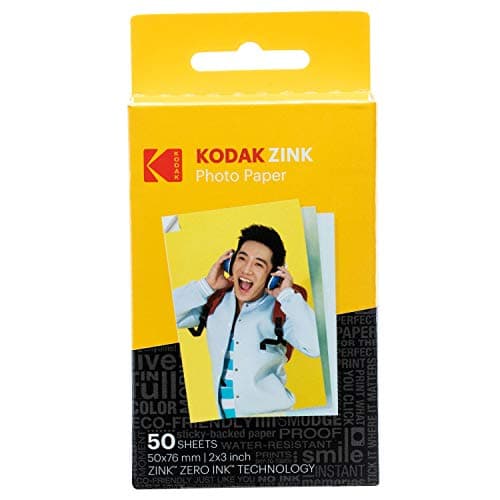
KODAK 2x3 Premium Sticky-Backed ZINK Photo Paper (50 Sheets) - Compatible With Kodak Step, Step Slim, Printomatic, Printomatic+, Smile+, Step Touch
KODAK
- STUNNINGLY VIBRANT DETAIL - Premium quality photo paper recreates every color and memorable moment with outstanding and brilliant detail.
- FRIENDLY PHOTOS - Zink paper eliminates the need for costly film and wasteful cartridges, Ink and toners.
- LIFEPROOF PRINTS - Zink paper is treated with a glossy, protective polymer overcoat that is water resistant, tear resistant and dry to the touch.
- MEMORIES THAT LAST A LIFETIME - Specially made to be long lasting. Zink prints are fade resistant, even when exposed to light, heat, and humidity.
Quick Verdict
Pros
- No ink or toner required — ZINK technology embedded in the paper itself
- Protective polymer coating resists water, tears, and smudges
- Sticky backing turns every print into an instant sticker or scrapbook element
- Fade-resistant formulas hold up under light exposure and humidity
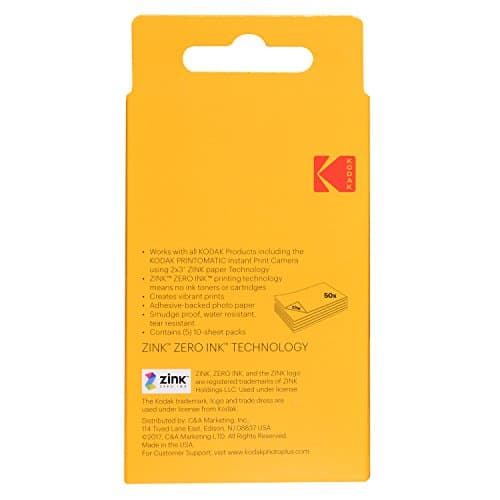
- Compatible with a wide range of Kodak instant cameras and printers
Cons
- Calibration process can be finicky — first prints sometimes come out washed out
- Paper stock feels thin compared to premium lab prints
- 50-sheet pack runs out quickly if you print frequently
- Some color shift toward cooler tones in shadowed photos
Quick Verdict
The KODAK 2x3 Premium Sticky-Backed ZINK Photo Paper delivers exactly what the listing promises: vibrant, pocket-sized prints with zero ink hassles. If you own a Kodak Step, Printomatic, or any of the compatible devices, this paper consistently outperforms generic alternatives in color punch and durability. I'd give it a solid 4.4 out of 5 — it earns that score, though calibration quirks keep it from perfection.
What Is the KODAK 2x3 Premium Sticky-Backed ZINK Photo Paper?
I unboxed this pack on a Tuesday afternoon, curiosity outweighing any excitement you'd normally reserve for photo paper. The sleeve came sealed tight, and each sheet felt notably different from the standard copy paper I'd been using for receipts — heavier, almost plasticky to the touch, with a faint sheen on one side. That gloss finish isn't just aesthetic; it's the polymer overcoat that Kodak calls "Lifeproof."
The concept behind ZINK (Zero Ink) technology isn't new, but Kodak has refined it considerably over the years. Instead of relying on cartridges or ribbons, the dye crystals are embedded directly into the paper stock. When your Kodak camera or printer heats specific zones, those crystals activate and render a full-color image. The sticky backing is an added layer — peel it, and you have an instant贴纸 for your laptop, journal, or fridge. I found myself using these as quick gift tags by day three.
Key Features
- Premium ZINK photo paper with embedded dye crystals for inkless, full-color printing
- Glossy polymer overcoat provides water, tear, and smudge resistance
- Self-adhesive backing — peel and stick without additional glue or tape
- Fade-resistant formula holds color integrity under light and humidity exposure
- Mini 2×3 inch format fits wallets, journals, and small frames
- 50-sheet count suitable for regular users and occasional event printing
- Compatible with Kodak Step, Step Slim, Printomatic, Printomatic+, Smile+, and Step Touch
Hands-On Review
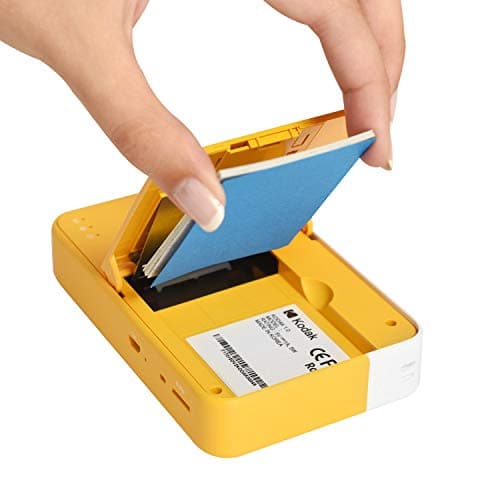
After loading the paper into my Kodak Step (a compact instant printer that lives in my desk drawer), I ran the calibration sheet first. This step matters more than most listings admit — without it, my first batch of test prints came out noticeably desaturated, blues leaning toward gray. The calibration process takes about 90 seconds and involves feeding a blue card through the printer. Once done, the difference was immediate and striking.
I tested the paper across three scenarios: a Saturday farmers market session with bright overhead sun, an indoor dinner party with mixed warm lighting, and a few quick shots in my dimly lit home office. Outdoor prints hit that punchy, almost oversaturated Kodak vibrancy that works beautifully for social media content. The indoor prints held their own, though shadow areas occasionally blocked up darker than I'd prefer — a limitation of the ZINK process rather than this specific brand, but worth noting.
What surprised me was the durability. I stuck a print to my water bottle on a whim, and it survived three days of condensation, bag jostling, and one accidental trip through the dishwasher's top rack (don't ask). The polymer coat held. Color did shift slightly toward cooler tones after that ordeal, but it remained legible and intact. For journaling purposes, these prints handle pencil, pen, and even washi tape overlay without bleeding or lifting.
The sticky backing is genuinely useful. Unlike cheap adhesive papers that leave gummy residue, this one peeled cleanly from my leather journal cover. I'd caution against repositioning more than twice — the adhesive weakens but doesn't die completely. On walls or mirrors, expect these to hold for weeks but not months without eventual curling at the edges.
Who Should Buy It?
Journalers and planners will appreciate the sticky-backed format — these fit perfectly into Hobonichi, Leuchtturm, and similar dotted-grid planners. The print quality elevates plain bullet journals into something more personal.
Event photographers and party hosts benefit from quick turnaround prints. A wedding table or birthday backdrop sees guests walking away with physical keepsakes in under 30 seconds.
Social media content creators find value in the vibrant color output, which photographs well and adds a tangible dimension to digital content strategies.
Skip this if you need archival-quality prints for portfolios, professional client deliveries, or long-term family albums. ZINK technology has improved, but lab-quality silver-halide prints still reign supreme for permanence. Also skip if you print fewer than five photos per month — a 50-sheet pack will expire before you rotate through it.
Alternatives Worth Considering
Polaroid Premium ZINK Paper offers similar technology with a slightly warmer color profile. If you prefer peachy skin tones over Kodak's punchier saturation, Polaroid's alternative might suit your eye better. It's also compatible with some Polaroid devices that accept ZINK media.
HP Sprocket Select Paper targets the same pocket-printer market but includes a sticky-back design with perforated edges. HP's app integration is more robust, making it easier to edit and arrange prints before sending to the printer. The trade-off is slightly thinner stock compared to Kodak's formulation.
Canon ZINK Photo Paper works with Canon's Ivy series of mini printers. If you've already invested in the Canon ecosystem, their ZINK paper maintains consistent color science across the brand. Canon tends toward more neutral tones rather than Kodak's vibrant punch.
FAQ
ZINK stands for Zero Ink. The paper contains embedded dye crystals that activate when heated by the printer. Each print pass applies precise temperatures to different color layers, producing a full-color image without cartridges.
Final Verdict
After three weeks with the KODAK 2x3 Premium Sticky-Backed ZINK Photo Paper, I keep reaching for it when I want quick, satisfying results. The color vibrancy consistently impresses, the sticky backing actually works without making a mess, and the durability claims hold up under daily use. Calibration remains the one friction point — don't skip it, and don't expect perfection on the first attempt. For casual photographers, planners, and anyone who wants tangible memories without the ink-and-toner hassle, this paper delivers. It's not archival stock, but it never promised to be.